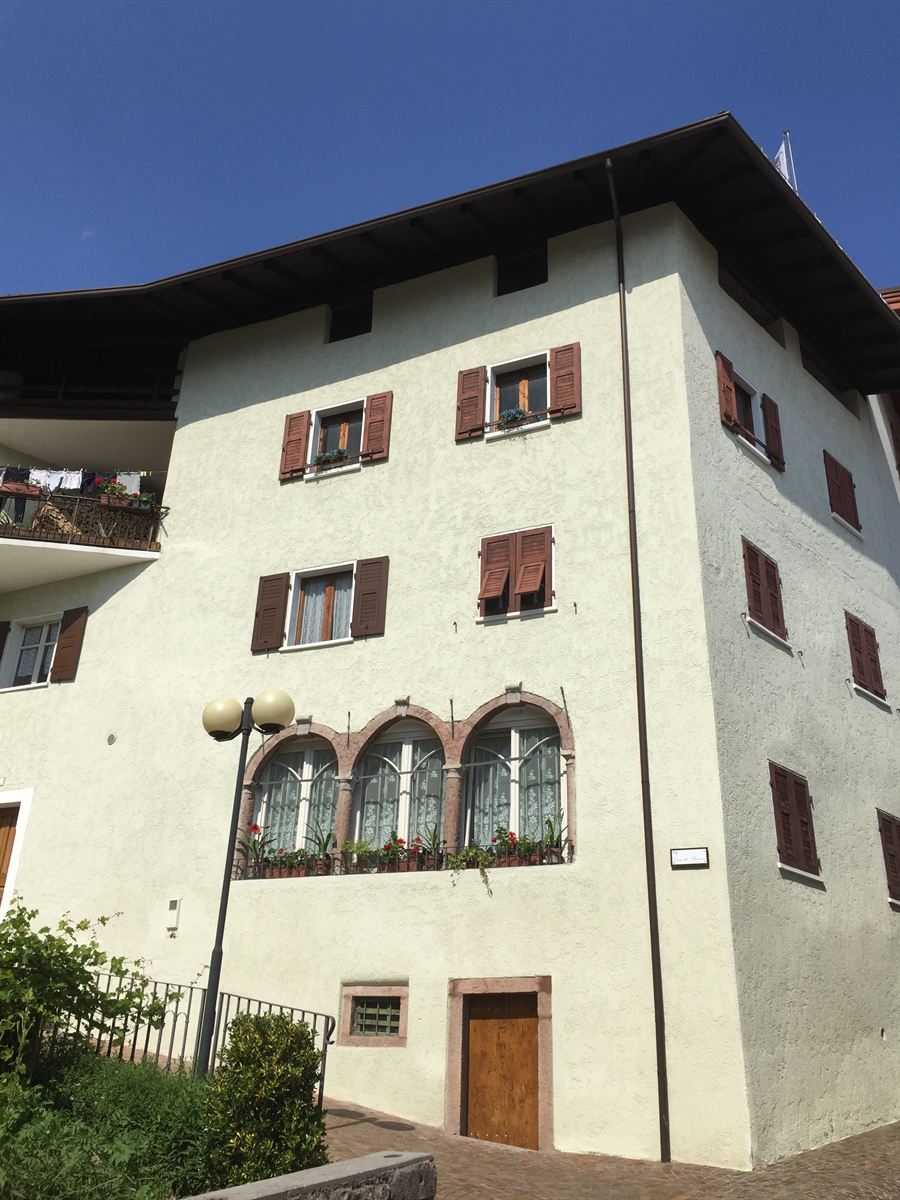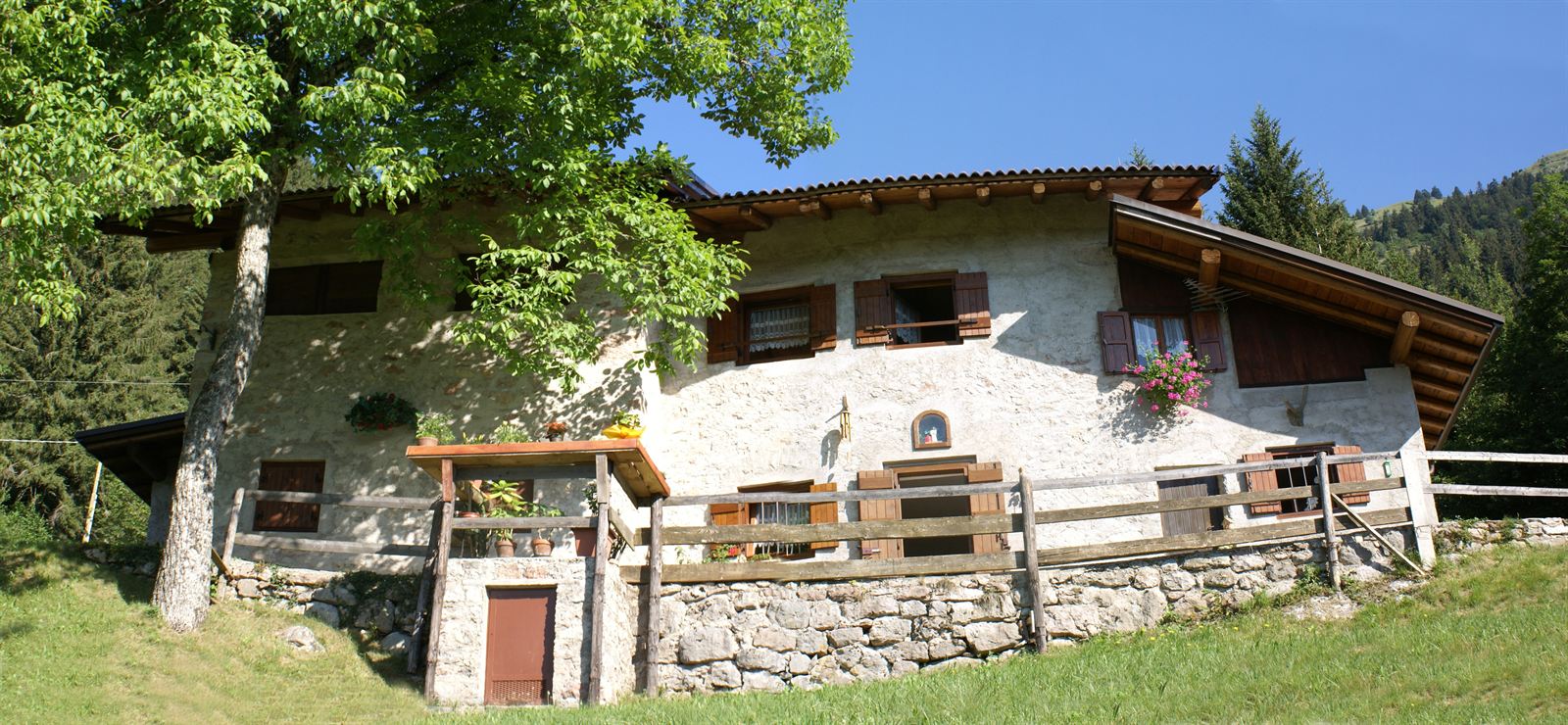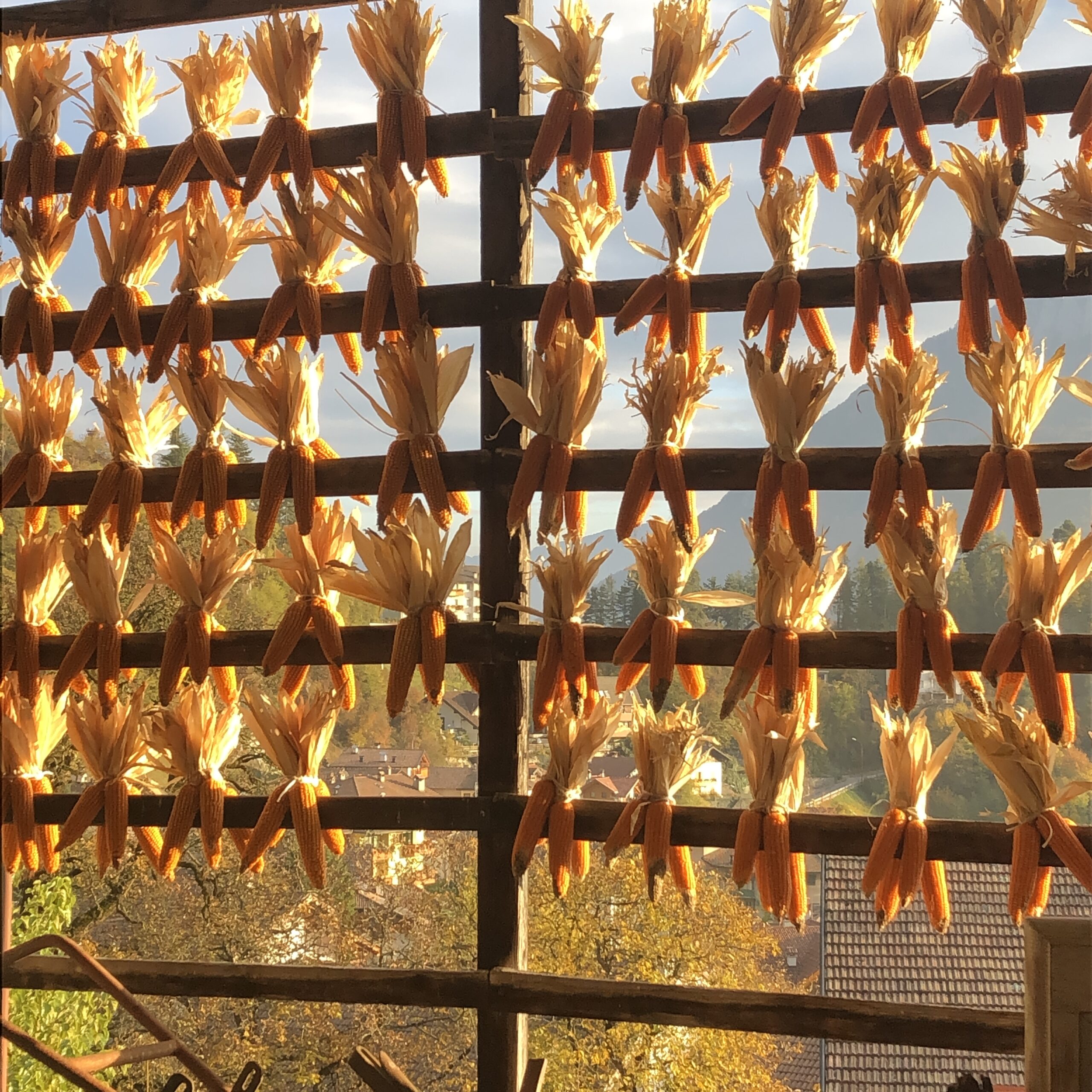
Where to eat near San Lorenzo Dorsino is one of the first things guests at the Loggiato ask when they arrive, often still with their bags in hand. The answer we give is never a list of names — it’s always a story. Like the one about the woman at the trattoria in Dorsino who has been making the same strangolapreti recipe for decades, just as her mother did, with stale bread and chard from the kitchen garden. Some places never make it onto TripAdvisor. You find them by asking the neighbours.
And yet the area around San Lorenzo Dorsino, between the Giudicarie valleys and the Paganella plateau, has a network of small, serious restaurants well worth knowing about. Not grand, guide-book establishments, but places where Trentino cooking is treated with respect — no fuss, no compromises.
Where to eat near San Lorenzo Dorsino: understanding the territory first
San Lorenzo Dorsino is not a village you pass through by accident. There is no provincial road that cuts through it on the way to somewhere else. Anyone who comes here has made a deliberate choice to do so. The same applies to the local restaurants: these are not places built around a passing tourist trade, but spots kept alive by regulars — locals, families, the odd hunter, a mushroom forager who knows exactly what will be on the plate.
The Giudicarie valleys have a restrained mountain cuisine. Polenta, game, mountain-hut cheeses, cured meats, sauerkraut. Nothing showy. Seasonality here is genuine, not a marketing claim: dishes change in summer because the kitchen gardens and pastures change, not because someone has updated the website menu.
Trattorias and osterie in the Sarca valley: honest cooking without ceremony
Heading down towards Ponte Arche, in the municipality of Comano Terme, you enter an area that has long been shaped by spa tourism and has developed a solid range of restaurants offering proper Trentino cooking. Here you’ll find osterie where the house wine is still served in a carafe and the menu shifts according to what comes in from the local market.
It is not unusual to find yourself sitting next to a family from Trento who have been coming here every year for the thermal baths and stopping for lunch at the same place for fifteen years. That kind of loyalty says more about a restaurant’s quality than any review.
Comano Spa, just a few kilometres away, is a useful reference point for getting your bearings in the area: their website also includes information about the surrounding territory. You can take a look at termecomano.com to get a sense of the context.
Mountain huts and high-altitude cooking: where cheese takes centre stage
In summer, one of the most straightforward pleasures in this area is heading up to a mountain hut. On the Paganella plateau and the pastures above Dorsino, some malghe open to visitors during the summer months and serve what they produce: fresh and aged cheeses, ricotta, butter, the occasional hot dish. It is not a restaurant in the conventional sense — it is closer to a proper afternoon snack, or a no-frills lunch.
The point is the raw ingredients. Milk from high-altitude pastures has a flavour quite different from that of the valley floor, and the cheeses made from it reflect that. A wedge of formai de malga with toasted polenta, eaten outside with a view down to the valley, is a meal that needs nothing else to feel complete.
For information on which malghe are open and the paths connecting them, Visit San Lorenzo Dorsino is the most useful starting point.
Game and autumn flavours: the season that changes everything on the table
If there is one season when it is worth paying close attention to local menus, it is autumn. From September onwards, the woods around San Lorenzo Dorsino become foraging ground — porcini, chanterelles — and hunting territory. Restaurants that still have a direct relationship with local hunters or foragers put that on the table without hesitation.
Venison stewed in red wine, roe deer with polenta, canederli in game broth. Dishes that require time, long slow cooking, ingredients you cannot buy at a supermarket. In certain places they are still served with a matter-of-factness that has its own particular flavour: there is no attempt to impress you — they are simply cooking the way they always have.
For anyone wanting to know what is happening in the area during autumn — local festivals, markets and food events — Visit Paganella and CrushSite are two good sources for events during that period.
Getting around to eat well: a few practical tips
The best restaurants in this area often have no up-to-date website, and sometimes no social media presence at all. You book by phone — and it is often worth doing so, because there are few covers and a single cook in the kitchen. That is a good sign, not a problem.
If you arrive in high season, particularly at weekends in July and August, smaller trattorias fill up quickly. Booking the day before is usually enough, but it is better not to rely on last-minute luck.
One more useful thing to know: this part of Trentino has public transport links connecting the villages of the valley, which means you can choose a restaurant outside your own village without having to drive. For information on getting around without a car, the Paganella Bye Bye Car service offers practical details on the options available.
—
If you are planning a stay in the area and want a comfortable base from which to explore these restaurants at your own pace, our two properties are designed for guests who want to get to know the territory without rushing. Casa dei Pariani is an apartment in the heart of the village, with a fully equipped kitchen for those who also enjoy cooking with local produce. Masadega dei Pariani is a hut in the woods, more secluded, ideal for anyone looking for quiet between meals out. Either way, we are here to point you towards the right table — the ones you won’t find on the usual platforms.