Via ferratas in the Brenta Dolomites come up regularly in conversations with guests who arrive already kitted out — harness in the rucksack, eager to gain altitude. We live and work in San Lorenzo Dorsino, and every morning we watch the Brenta Dolomites change colour with the light. Over time we’ve picked up a few things worth sharing before you set off.
This isn’t a list of routes copied from a guidebook. It’s what we’d tell you sitting around a table with a map spread out in front of us.
Via ferratas in the Brenta Dolomites: understanding the massif before you climb
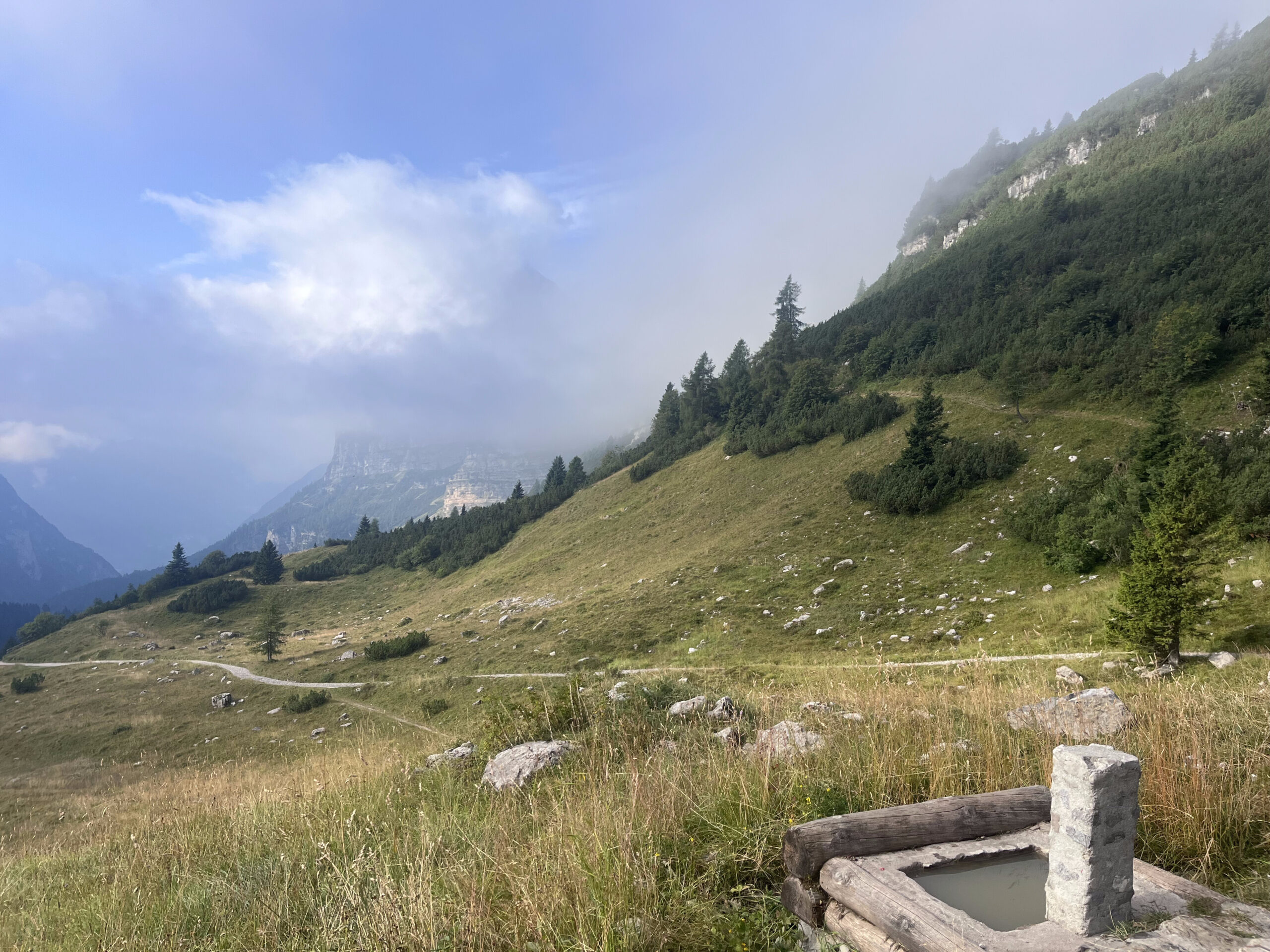
The Brenta Dolomites are the only dolomitic massif west of the Adige — a fact that changes everything: the aspects, the exposure, the type of rock, even the character of the routes. The limestone here is compact and often wet even on days that look settled, because the massif draws afternoon thunderstorms with remarkable regularity.
Anyone coming from other parts of the Dolomites — the Pale di San Martino, the Marmolada — will find a different world. The gullies are narrow, the walls frequently vertical, and route-finding at altitude demands real attention. This is not a massif for anyone expecting an easy equipped walk in lightweight trail shoes.
That said, it is one of the finest groups in the Alps. And we mean that without any exaggeration.
The most popular routes: what to genuinely expect
The Bocchette Alte, the Bocchette Centrali and the Sentiero Benini are the three itineraries that crop up most often in conversation. Together they form the Alta Via delle Dolomiti di Brenta n. 3, a demanding multi-day circuit that usually involves sleeping in mountain huts.
The Bocchette Centrali is probably the most heavily used route. It links Rifugio Tuckett with Rifugio Brentei via exposed ledge sections with a sense of real airiness. The cable runs continuously for long stretches, but don’t let that lull you: the exposure is genuine, the accumulated height gain is significant, and managing the flow of other climbers at passing points calls for patience and common sense.
The Bocchette Alte is a different proposition altogether. The terrain here is closer to alpinism proper, with sections that demand confidence on rock and a steady head on exposed ledges. It is not a route for anyone approaching via ferratas for the first time.
The Sentiero Benini is less well known but well worth seeking out: it crosses the eastern flank of the massif and opens up views over the Val Rendena side that, from height, takes on a completely different geometry from the one you see from the valley floor.
Choosing the right side: the role of San Lorenzo Dorsino
San Lorenzo Dorsino sits on the eastern side of the Brenta Dolomites, looking out over the first slopes of the massif. The Valle del Sarca valley floor is just a few minutes away, and from Molveno or Andalo you can head up towards the huts by lift or on foot.
This side has a practical advantage: in the morning the sun warms the western face — the opposite side — and anyone who sets off early from here arrives at altitude when conditions are already good. The afternoon thunderstorms — and in summer they roll in almost every day around 1–2 pm — are easier to spot forming in advance from this vantage point.
Many of our guests use the accommodation as a base for one or two days on the via ferrata, then rest up, swim in Lake Molveno or take a gentler walk, before heading back up. It’s a rhythm that works well, and the area lends itself to it perfectly.
What you really need in your rucksack
The via ferrata kit — harness, Y-shaped energy absorber, helmet, gloves — is the bare minimum. But there are a few things that often get overlooked and make a real difference at altitude.
First: start early. On the trail by 6 am if at all possible. The Bocchette routes take 5–6 hours of actual moving time, and you need to factor in passing other parties, stops at the huts, and the fact that the descent still requires legs that are working properly.
Second: a waterproof layer at the top of your rucksack at all times, even under a clear sky. Those who skip this tend to learn the lesson only once.
Third: local weather forecasts — not generic Trentino ones, but forecasts specific to the Brenta group. Meteotrentino publishes reliable bulletins, and the hut keepers, if you ring the evening before, will tell you straight what to expect. These are mountain professionals, not booking offices.
For trail conditions and the state of the fixed equipment, the most useful point of contact is the SAT section of San Lorenzo Dorsino, which knows the terrain in fine detail: sat.tn.it/sezioni/s-lorenzo-in-banale.
A word on fitness and being honest with yourself
The via ferratas of the Brenta are not one-size-fits-all. They don’t work the same way for everyone regardless of preparation. The total height gain on a Bocchette circuit can exceed 1,200 metres, the exposure is sustained throughout, and wet rock changes the perceived level of difficulty entirely.
What we’d suggest — and we say this with respect, not condescension — is an honest assessment of your legs, your composure on exposed ground, and your pace. Moving more slowly doesn’t make you a lesser climber, but it does mean calculating your timings differently.
If this is your first via ferrata, there are more suitable routes for building experience. If you already have time on equipped terrain and can move on rock without a cable, the Bocchette are among the finest things this corner of the Alps has to offer.
For updates on events, hut opening dates and local initiatives, the most useful starting point is visitsanlorenzodorsino.it.
—
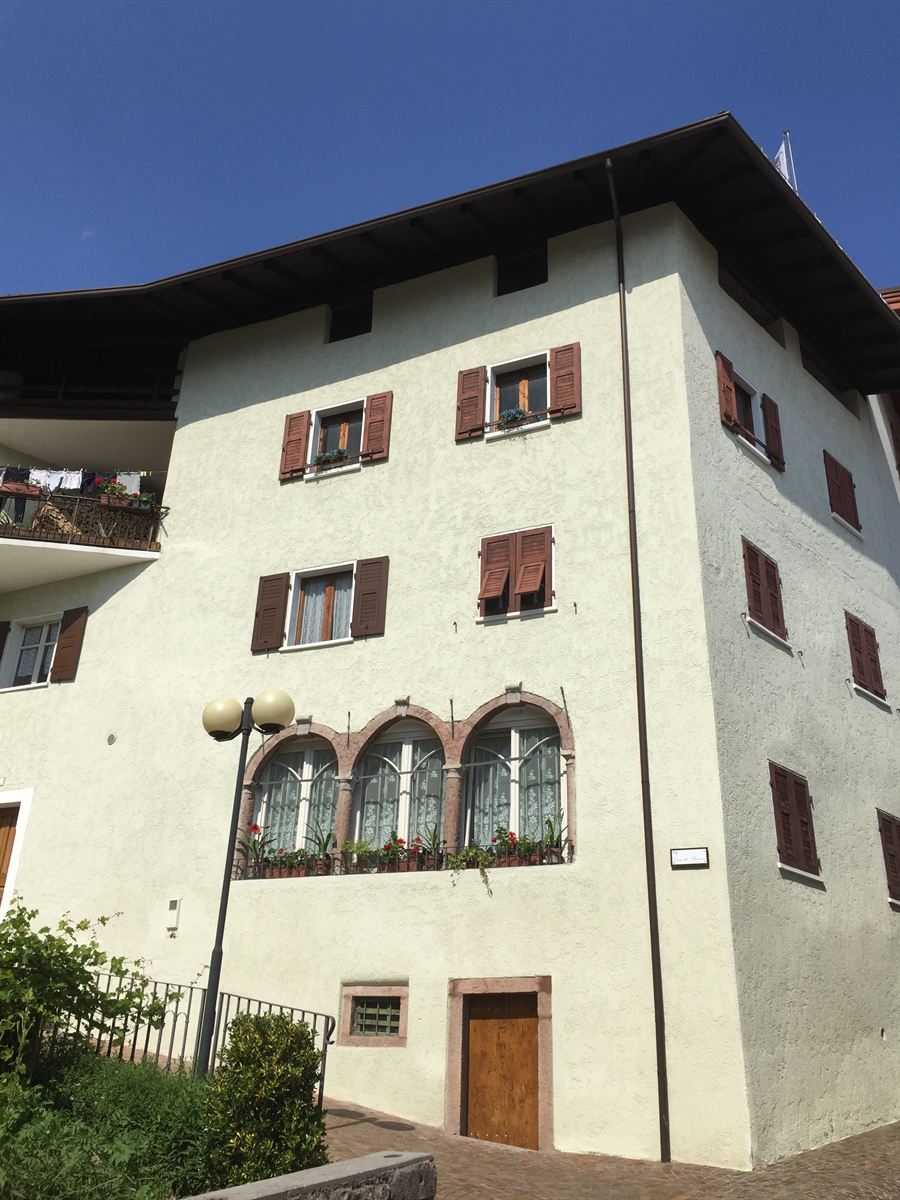
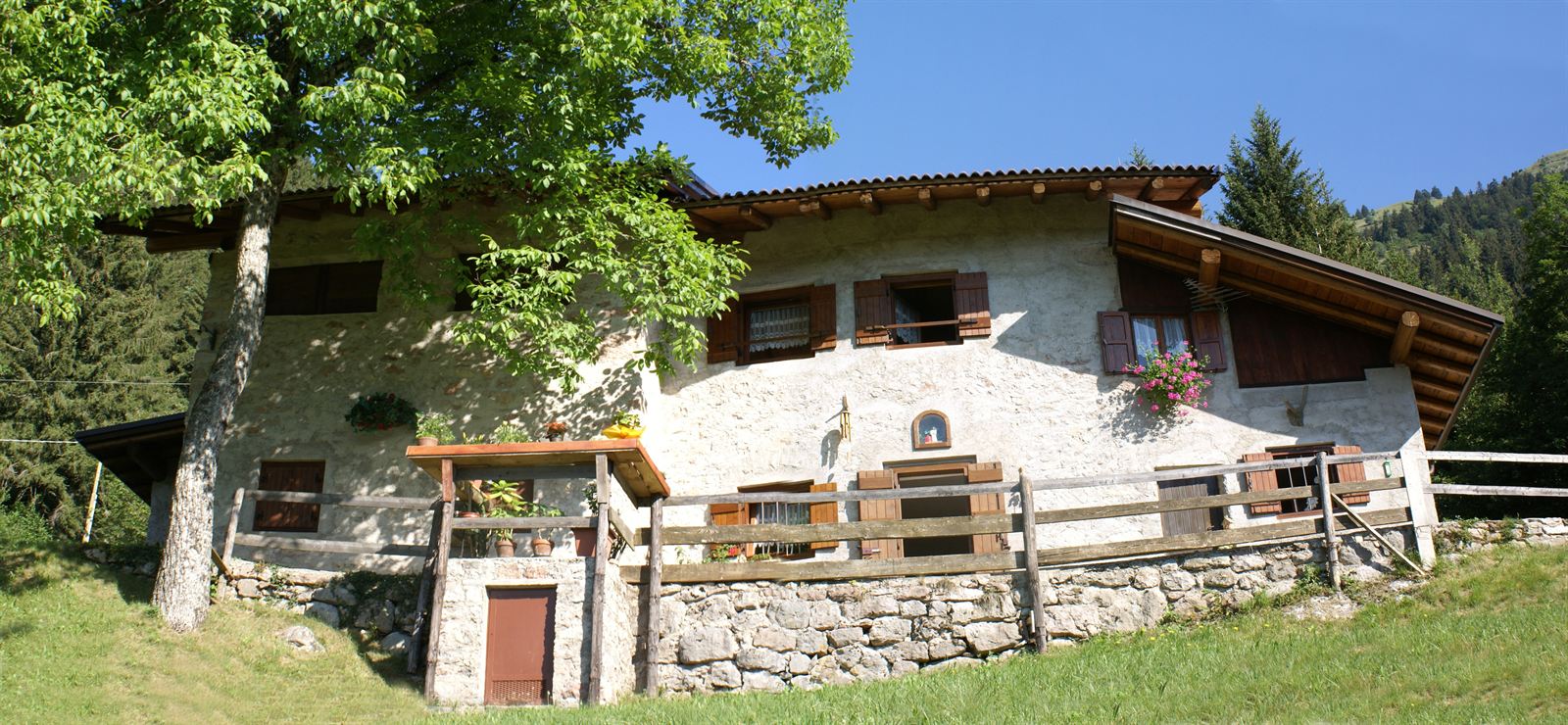
If you’re planning a few days in the area to get into the Brenta Dolomites, we have two options for people who want to be comfortable without sacrificing proximity to the mountains. Casa dei Pariani is a village apartment with a kitchen and everything you need to manage your days independently — early starts included. Masadega dei Pariani is a woodland cabin, quieter and more tucked away, for those who want to properly switch off after a day in the heights. Get in touch and we’ll help you work out which suits the way you’re planning your trip.