The Trentino cheeses and cured meats worth seeking out are not the ones you find in a city supermarket. Some you buy directly from the alpine dairy, others from a small farm shop that opens three mornings a week. This is your practical guide to finding your way around.
Trentino cheeses and cured meats: where to begin
The Val di Brenta and the valleys surrounding San Lorenzo Dorsino have a cheesemaking tradition that has nothing to do with industrial production. Milk is still processed in the mountain dairies every summer, and the cheeses that come out of them have flavours that shift depending on when and where they were made. This is not marketing: it is simply the result of cows grazing on different grasses at different altitudes and times of year.
For anyone arriving without local knowledge, the most useful advice is this: ask. The people in the village know who produces what, who has opened a farm shop, who sells directly from home. A quarter of an hour chatting at the bar will save you two hours of searching online.
Spressa delle Giudicarie: the local cheese
If you are in the Giudicarie area, Spressa is the cheese you will find everywhere — but not every piece is the same. Spressa delle Giudicarie has PDO status, yet the difference between a wheel aged six months in a village cellar and one sold vacuum-packed in a bag speaks for itself at the very first cut.
It is a semi-fat cheese, made from partially skimmed milk, with a compact paste and a flavour that ranges from mild when young to sharp and almost peppery when well aged. The aged version, cut into shards and served with a drizzle of honeydew honey, is one of the most honest and satisfying pairings this area has to offer.
At local markets and in some of the valley’s agriturismi you can find wheels made by small producers who lack the means to certify everything but work with exactly the same methods as always. This is not cutting corners: it is short supply chain in the most literal sense.
Puzzone di Moena and other cheeses worth knowing
Puzzone di Moena comes from the Val di Fassa, so technically outside the immediate area, but you will find it regularly in the food shops around Comano Terme and it deserves a mention. The name is not a euphemism: it has a strong smell, due to the rind being washed with brine during ageing. The flavour, however, is rounded and buttery, and if you have never tried it, it is well worth the investment.
Closer to home geographically, the malga cheeses produced on the Altopiano della Paganella follow the calendar of the summer alpine pastures. From June to September the mountain dairies are active and some sell directly. Out of season, aged cheese is still available, but fresh rounds are not.
Also worth seeking out is Vezzena, a hard grana-style cheese produced on the plateau of the same name, excellent for grating but equally good at the table when well aged. Its history stretches back centuries and it has remained essentially unchanged.
Trentino cured meats: lucanica, carne salada and violino di capra
Among Trentino’s cured meats, lucanica is the most widespread and the one that divides opinion most sharply. It is a fresh sausage for cooking, seasoned with garlic, pepper and wine. Every butcher has their own recipe, and locals have very firm views on which version is best. Grill it, or use it to flavour polenta: you cannot go wrong either way.
Carne salada tends to surprise those expecting something similar to bresaola. It is beef marinated at length in a cure of salt, pepper, garlic, rosemary and bay, then served raw, sliced paper-thin. In summer, with borlotti beans and onion, it is one of the most classic dishes in the trattorias of this part of Trentino. Light, savoury, with an almost silky texture.
Violino di capra is less well known and harder to track down, but those who look for it will find it. It takes its name from its shape and from the way it is held while slicing — rested against the shoulder like an instrument. It is made from the leg or shoulder of goat, aged for several months. The flavour is gamey, lingering, and not for everyone, but those who take to it rarely go back.
Where to buy: farm shops, markets and local agriturismi
Within reach of San Lorenzo Dorsino, the most direct sources are the agriturismi and small farm shops. Not all of them publish fixed opening hours online, so the most effective approach is still to stop and ask, or to call in early in the morning when producers are generally about.
The weekly markets in nearby villages are another genuine opportunity: local producers bringing their own goods, with the chance to taste before you buy. Pack a cool bag if you are planning to shop seriously, especially in summer.
For those who prefer a more structured approach, the Comano Spa area and the surrounding territory periodically host food events and gastronomic trails linked to local products. Up-to-date details on events and initiatives can be found on Visit San Lorenzo Dorsino and on Visit Paganella, both of which give good coverage of the whole area.
A stay that starts in the larder
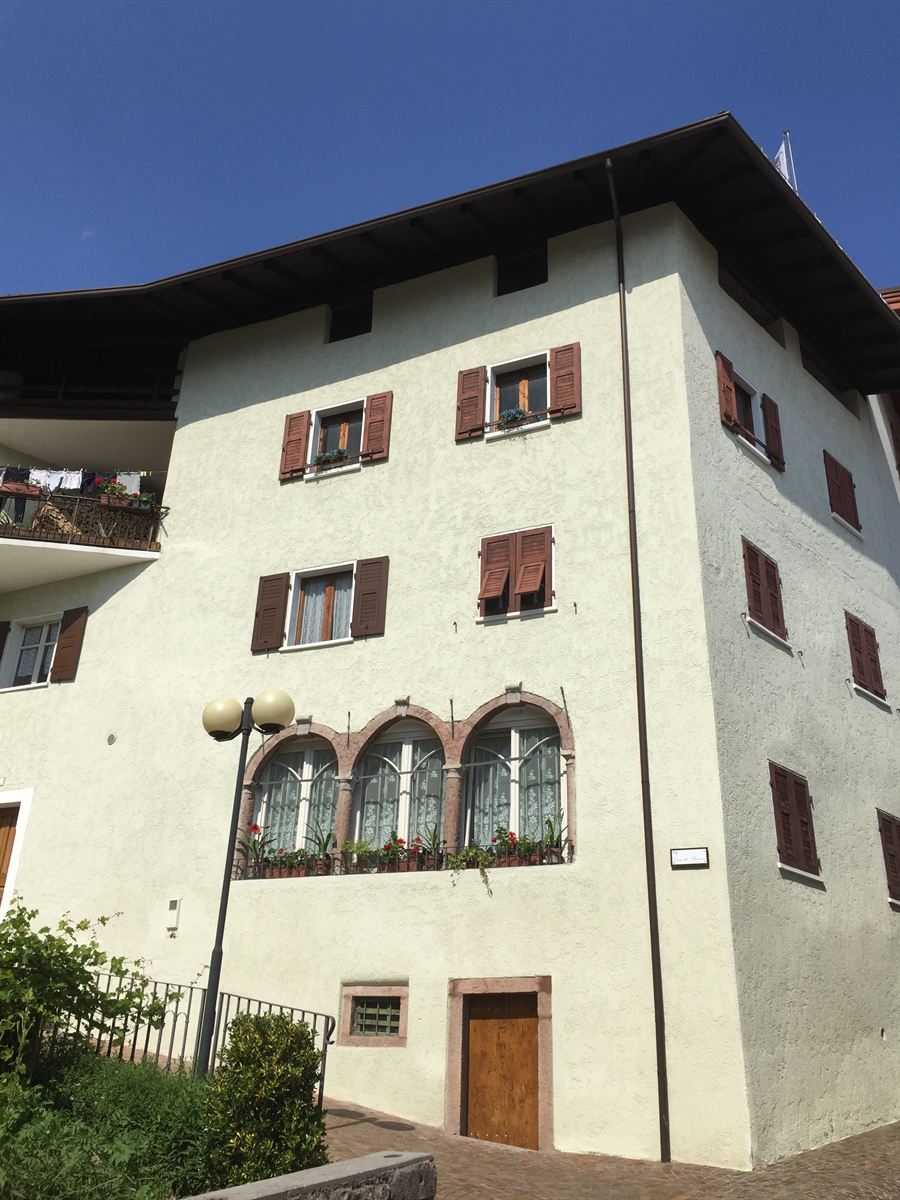
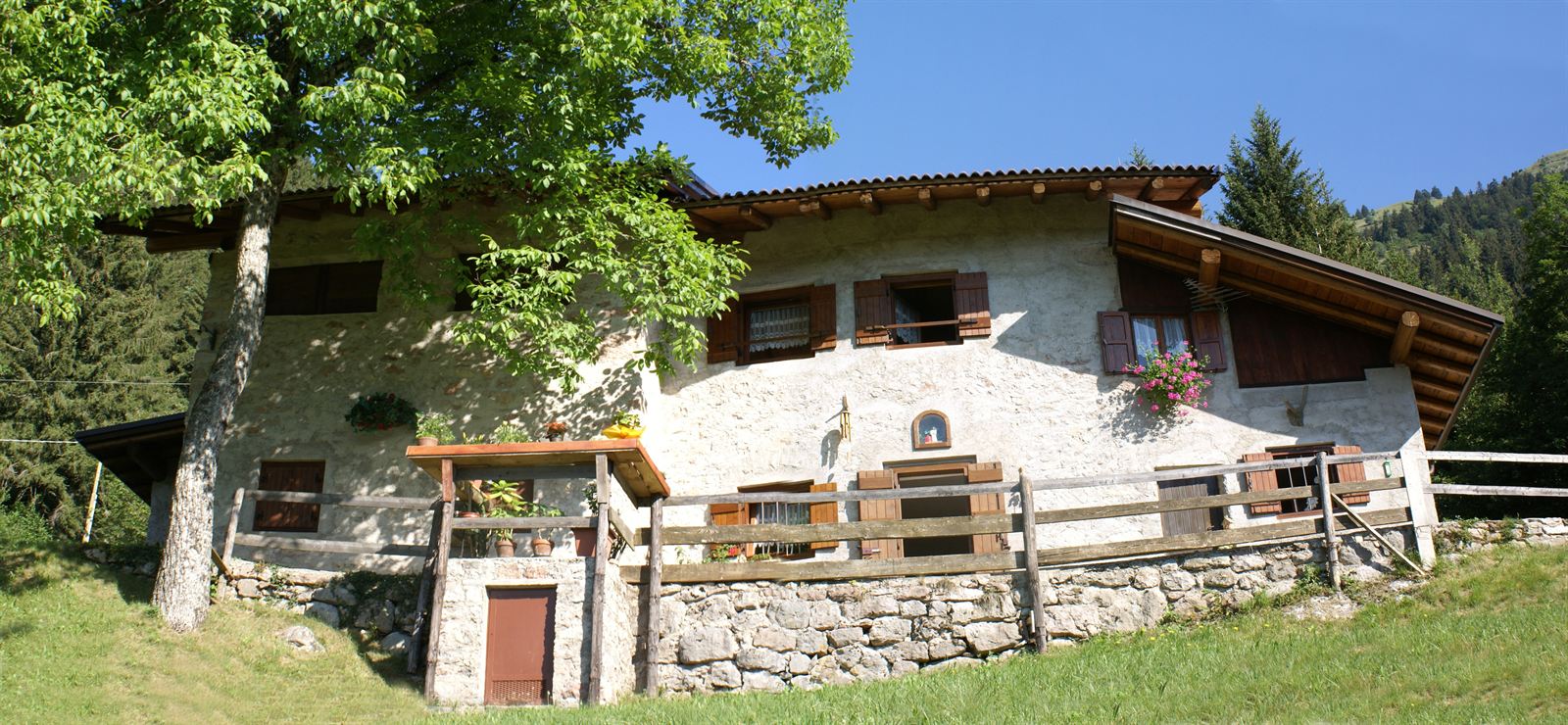
Taking food home with you only makes sense if you have somewhere to keep it and time to enjoy it properly. Casa dei Pariani is a village apartment with a well-equipped kitchen: you can shop at the market in the morning and cook in the evening, without having to book a restaurant every night. Masadega dei Pariani is the hut in the woods — quieter and more secluded, with a fire in winter and silence throughout the year: the right place to open a wheel of aged Spressa and understand why the people here have never felt the need to import cheese from anywhere else.