Some people come to Val di Tovel for the red lake, while others discover the Laghetto di Nembia and come back every year without telling a soul. The two are quite different experiences, almost opposites. Tovel is spectacle and history, a classic postcard destination. Nembia is small, quiet, easy to overlook on a map — and that is precisely why it catches you off guard. If you are looking for somewhere that takes nature seriously, without the crowds, the ticket booth or the paid car park, this little lake is worth the detour.
The Laghetto di Nembia and its history as a WWF nature reserve
The Laghetto di Nembia lies in the plain that takes its name from the hamlet of Nembia, a frazione of the municipality of San Lorenzo Dorsino, at around 660 metres above sea level. It is a wetland of glacial origin that has remained largely intact over time, and since 1980 it has been managed as a WWF Nature Reserve. It is one of the oldest reserves in Trentino, and perhaps that is why it has kept a understated character, with no intrusive structures or theme-park installations.
The reserve covers a modest but remarkably rich area: beyond the lake itself, it includes reed beds, wet meadows and areas of marsh vegetation that support a level of biodiversity quite out of proportion to the size of the place. It is this contrast — small on the outside, rich within — that makes it rewarding to observe carefully.
What you can see at the Laghetto di Nembia: birds, amphibians and vegetation
The Laghetto di Nembia is above all a birdwatching site. The grey heron is the symbol of the place, and it is not unusual to find one motionless on the bank, listening, with the kind of patience that makes time seem to stop. During the spring and autumn migration periods, the lake becomes a staging post for species that would not otherwise pass through the area: garganey, teal and, in the right seasons, a few wading birds.
Anyone with an interest in amphibians will find plenty to keep them busy: frogs, toads and newts frequent the shallows and the edges of the reed beds. In spring the croaking starts up at dusk, and if you approach slowly you can spot eggs laid among the submerged vegetation. The presence of these animals is a direct indicator of water and ecosystem quality.
The vegetation is equally varied: common reed, sedges, bulrush and, in the drier areas, wild orchids that appear between May and June without any fanfare in the brochures.
When to visit and how to behave
The lake can be visited at any time of year, but each season has something different to offer. Spring is the liveliest period: amphibians emerge, migratory birds stop off, and the vegetation begins to take shape again. Summer is quieter but excellent for watching insects — dragonflies in particular, which are plentiful here. Autumn brings migration again and the colours of the woodland surrounding the plain. In winter, when the lake partly freezes over, there is a still, rarefied atmosphere unlike any other season.
Respecting the place is not a formality: it is the condition that keeps it working. Stick to the marked paths, stay out of the reed beds, do not feed the animals, and keep dogs on a lead. The WWF manages the reserve with care, and the fact that it has remained so intact is down to precisely this kind of shared attentiveness, not to fences and signs.
How to reach the Laghetto di Nembia from San Lorenzo Dorsino
From San Lorenzo Dorsino, the Laghetto di Nembia is reachable in just over ten minutes by car. Head down towards the Nembia plain along the road that runs through the valley floor: the lake is close to the hamlet, with no need for mountain hiking or specialist equipment. It is one of the few nature sites in the area that is also accessible to people with limited mobility, at least along the flat section of the route.
If you prefer to arrive on foot, the local trail network allows you to include the lake in longer circular walks that cross the meadows of the plain and connect to the surrounding woodland. The San Lorenzo Dorsino branch of the SAT is a useful reference point for local routes: sat.tn.it/sezioni/s-lorenzo-in-banale.
For up-to-date information on events, special openings or initiatives linked to the reserve and the wider area, visitsanlorenzodorsino.it carries the latest news about the zone.
The lake in the context of San Lorenzo Dorsino: a territory that holds different things together
Nembia is one piece of an area that manages to be many things at once without needing to prove it. San Lorenzo Dorsino has the Adamello Brenta Nature Park behind it, the Sarca River Park below, and in between a series of places — like this lake — that do not seek attention but hold up well under the gaze of anyone who looks at them calmly.
Visitors who spend a few days here tend to notice this rhythm: it takes a little while to find the right pace, and after that it becomes difficult to rush from one thing to the next. The lake is a good place to start a day out, or to round one off. It requires no preparation, does not disappoint, and needs no superlatives to describe it.
—
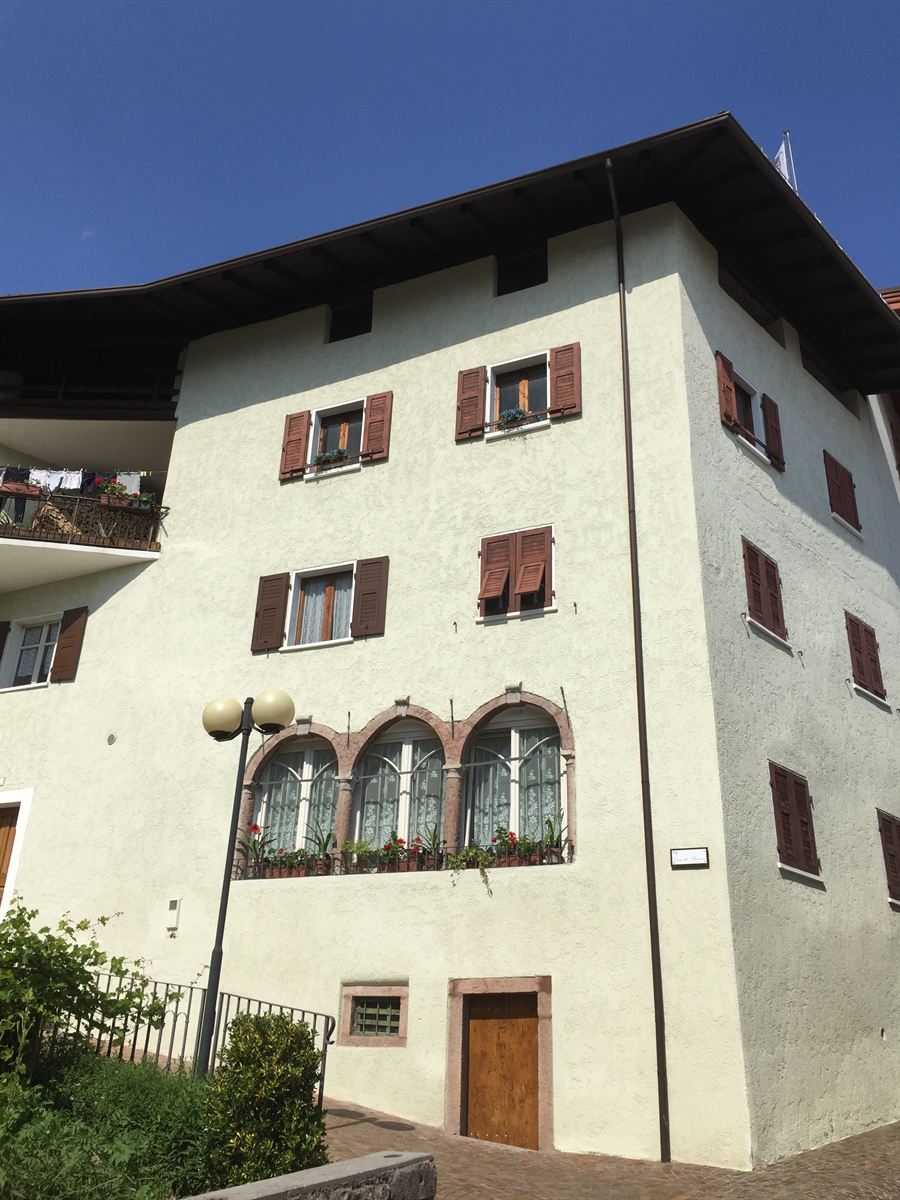
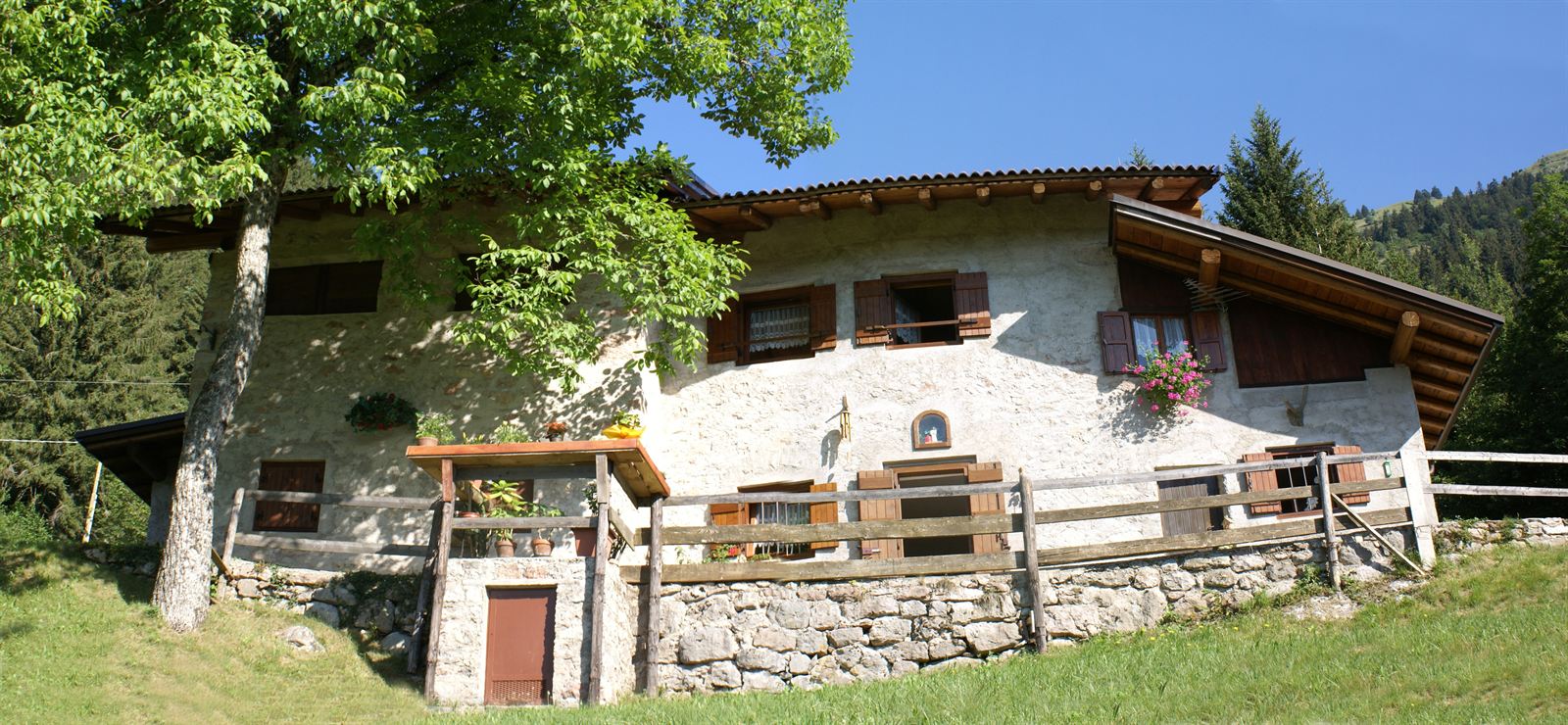
If you are planning a stay in the area and would like all of this on your doorstep, the two Pariani properties are right in the heart of San Lorenzo Dorsino. Casa dei Pariani is a comfortable, welcoming apartment in the village, with everything you need close at hand. Masadega dei Pariani is a mountain hut in the woods, for those who want genuine quiet and a bit of distance from it all. It depends on what kind of trip you are after.